Florida Demolition Contractor: Why Credentials Matter
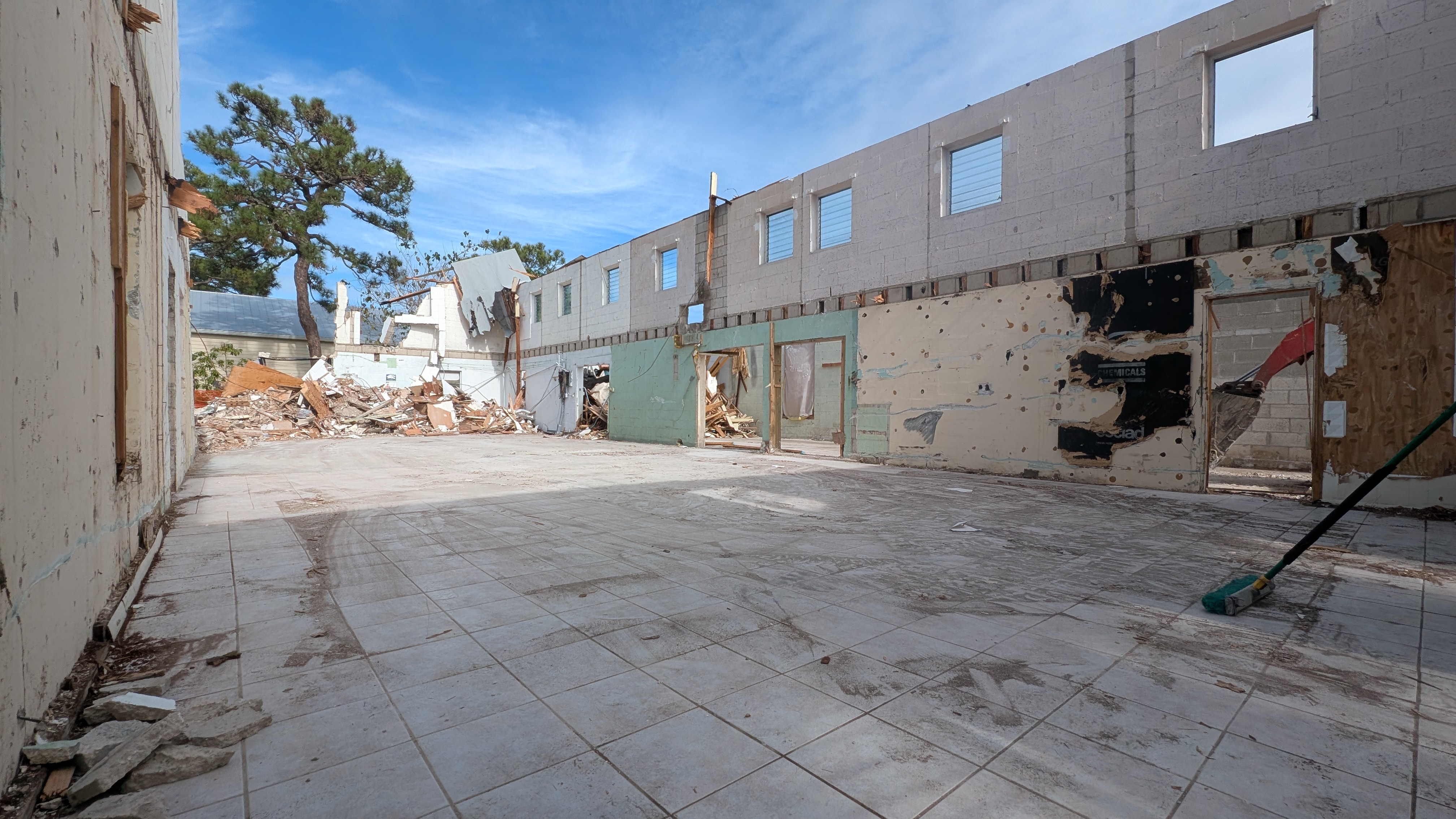
Hiring a Florida demolition contractor? Learn how to check DBPR credentials, avoid permit red flags, and plan a safer home demolition in North Florida.
Choosing a Florida demolition contractor starts with checking credentials, not accepting the lowest bid. A properly licensed certified general contractor brings verified qualifications and accountability to work that can affect neighboring property, utilities, and public safety. For homeowners in North Florida and the FL panhandle, two practical rules matter: verify the contractor through the Florida Department of Business and Professional Regulation, or DBPR, and never pull permits on behalf of a contractor you are hiring to manage the demolition.
Why Certified General Contractor Credentials Matter
Home demo involves more than knocking down walls. A contractor must consider structural stability, equipment access, adjacent buildings, utility connections, debris removal, and potential hazardous materials. Partial demolition adds another concern: protecting the structure that will remain.
DBPR identifies certified general contractors as holding a statewide contractor license with a broad scope, subject to applicable requirements. That credential is different from a local business tax receipt, a company registration, or someone simply describing themselves as an experienced demolition operator.
Certification is not a guarantee that every job will go perfectly. It does provide a verifiable professional credential and a framework for regulatory accountability. Ask about relevant demolition experience, insurance, and who will supervise your particular project.
Not every demolition project necessarily requires the same license classification. Other properly licensed contractors may have authority for particular scopes. License eligibility, local requirements, and project conditions vary; Jericho can help identify the questions to take to DBPR and your building department.
How to Check a Florida Demolition Contractor Through DBPR
Use DBPR's official Verify a License service before signing an agreement or paying a deposit. Search by the contractor's license number and name rather than relying on a logo, truck lettering, or screenshot.
Check the license category and current status. Confirm the licensed individual and the business qualification information match the company offering the work. Ask for clarification if the proposal uses a different business name or lists a license belonging to someone who appears unrelated.
Review any publicly available disciplinary information through DBPR's official resources. A license lookup is an important starting point, but it does not replace reviewing the contract, checking insurance directly with the provider, or discussing comparable demolition projects.
Ask who will obtain permits, arrange utility disconnections, supervise demolition, and handle disposal. Those responsibilities should appear clearly in the written scope.
DBPR credentials can change. Verify them when selecting your contractor rather than treating an old advertisement as current confirmation. For project-specific permit questions, contact the local building department; DBPR licensing and local permit approval serve different purposes.
Never Pull Permits for Your Contractor
If you are hiring a contractor to manage your demolition, do not agree to become the owner-builder merely to obtain that contractor's permit. A request to “pull it yourself so we can get started” deserves careful scrutiny.
DBPR's consumer guidance explains that owner-builder arrangements carry responsibilities and limitations. They are not simply a convenient way to bypass contractor licensing. Signing as an owner-builder can place construction oversight and other obligations on you that you expected the contractor to handle.
There is a distinction between an owner signing an authorization needed for a contractor's application and an owner taking out a permit as the responsible owner-builder. Read the actual application and ask the building department which role it assigns you.
Legitimate owner-builder circumstances may exist, but eligibility and responsibilities vary. They should never be used as a workaround for a hired contractor's missing credentials. Jericho can help clarify the proposed permitting approach before work begins.
Make permit responsibility part of your written agreement. Do not allow demolition to begin simply because someone says the paperwork can be handled afterward.
Does My House Need Demolished, or Can It Be Repaired?
A damaged or aging house does not automatically need complete demolition. The right decision depends on its condition, repair options, intended use, and site constraints.
Serious fire damage, storm damage, substantial deterioration, or structural movement can justify a professional evaluation. Appearance alone cannot establish whether the building is safe or whether repair is practical.
A qualified structural professional may be needed to assess stability and rehabilitation options. A demolition contractor can then explain full removal, selective demo, access requirements, and what the proposed demolition scope includes.
Before home demolition, discuss utility disconnections, septic or sewer connections, wells, neighboring structures, and potentially hazardous materials. Inspection, testing, notification, and disposal requirements vary by building and project; Jericho can help coordinate the appropriate next steps.
Compare written scopes, not just totals. Clarify whether foundations, slabs, driveways, debris, and final grading are included or excluded.
North Florida and FL Panhandle Demolition Planning
The Panhandle has no single universally agreed boundary. For a broad North Florida discussion, the following county-by-county list includes incorporated cities and towns across the Panhandle and adjoining Big Bend:
Escambia County: Pensacola and Century. Santa Rosa County: Milton, Gulf Breeze, and Jay.
Okaloosa County: Crestview, Destin, Fort Walton Beach, Laurel Hill, Mary Esther, Niceville, Shalimar, and Valparaiso. Walton County: DeFuniak Springs, Freeport, and Paxton.
Holmes County: Bonifay, Esto, Noma, Ponce de Leon, and Westville. Washington County: Chipley, Caryville, Ebro, Vernon, and Wausau.
Bay County: Panama City, Panama City Beach, Callaway, Lynn Haven, Mexico Beach, Parker, and Springfield. Jackson County: Marianna, Alford, Bascom, Campbellton, Cottondale, Graceville, Grand Ridge, Greenwood, Jacob City, Malone, and Sneads.
Calhoun County: Blountstown and Altha. Gulf County: Port St. Joe and Wewahitchka. Liberty County: Bristol. Franklin County: Apalachicola and Carrabelle.
Gadsden County: Quincy, Chattahoochee, Greensboro, Gretna, Havana, and Midway. Leon County: Tallahassee. Wakulla County: St. Marks and Sopchoppy.
Jefferson County: Monticello. Madison County: Madison, Greenville, and Lee. Taylor County: Perry.
Unincorporated communities also need location-specific planning. Whether the property is in Navarre, Santa Rosa Beach, Crawfordville, or another community, confirm the permitting jurisdiction using the property address. Coastal access, rural utilities, and close neighboring buildings can change the demolition plan.
Frequently Asked Questions
How do I verify a Florida demolition contractor?
Search DBPR's official license records by name or license number. Check current status, classification, and business qualification, then confirm insurance and the written project scope separately.
Should I pull a demolition permit for my contractor?
No. Do not take on owner-builder status for a contractor hired to manage the job. Ask the building department to explain any document before signing it.
Does every old house need complete demo?
No. Some buildings can be repaired or selectively demolished. Obtain an appropriate condition assessment before deciding between rehabilitation and full removal.
What will my home demolition cost?
Costs vary with size, access, materials, utilities, disposal, and site conditions. Permit requirements and fees also vary; Jericho can help clarify the project scope.
For North Florida demolition planning, contact Jericho Demolition, a faith-driven, demolition-only Florida Certified General Contractor, CGC#1538467. With a Pensacola office and statewide service, Jericho can discuss your next steps. Get an instant quote at jerichodemolition.com or call 251-716-8799, Monday–Saturday, 7am–7pm.